The unkown continent!
How much do you know about Antarctica? Take the quiz and you'll know right away if you're an Antarctic expert.
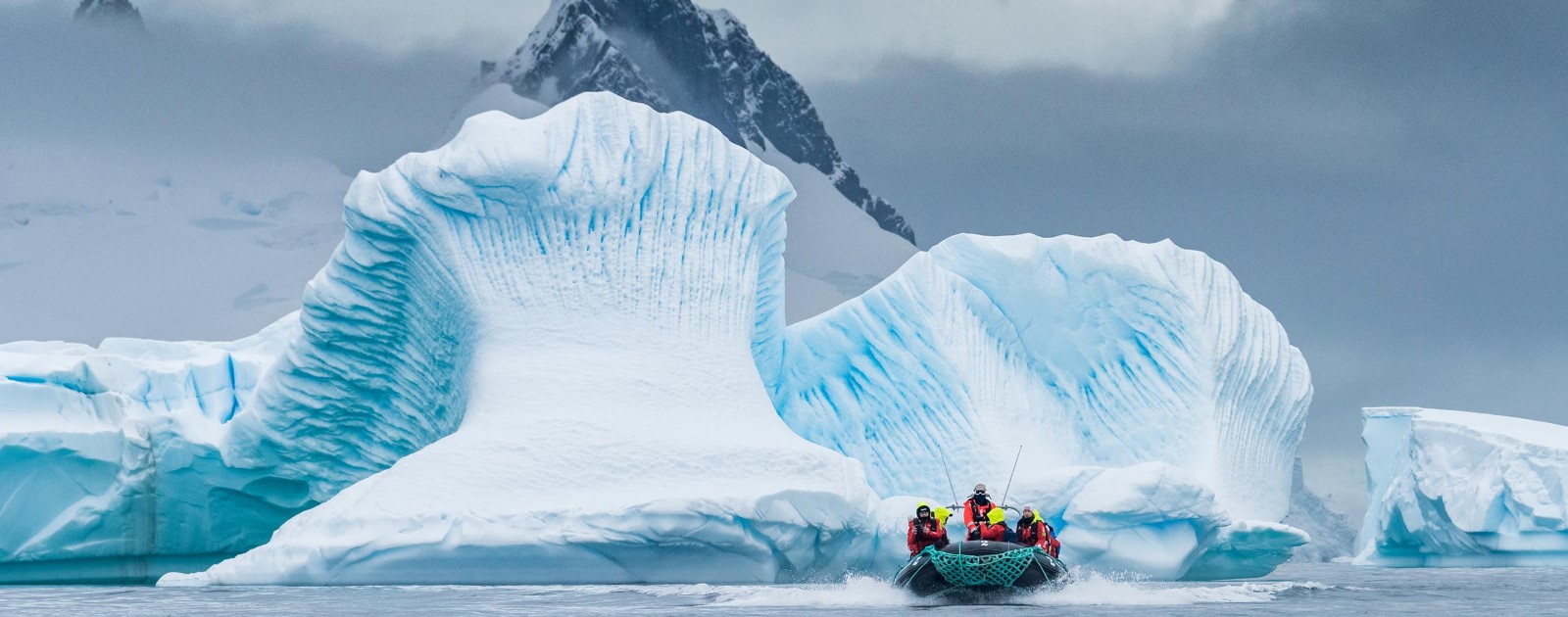
No place on Earth compares to this vast white wilderness of elemental forces: snow, ice, water, rock. Antarctica is simply stunning.
How much do you know about Antarctica? Take the quiz and you'll know right away if you're an Antarctic expert.
Antarctica is about 98 percent covered in ice. There's 30 million cubic kilometers of ice,
or 90 percent of
all
the ice on our planet. Even more superlatives: in Antarctica you will find 70 percent
of all fresh water
(frozen admittedly) of the world. The Antarctic ice is the oldest ice in the world, older than
the eternal
snow in the Himalayas, older than the ice sheet at the North Pole, older than the glaciers in the Alps.
About 95 percent of the ice in Antarctica is glacial ice. This ice was created
because the snow
is compressed more strongly year after year. Because there are almost no air bubbles left in it, the ice
often has a blue or green appearance. The huge ice mass that accumulates on the Antarctic continent must
also undergo the law of gravity. The ice slides to the lower coast. This creates glaciers- a kind of ice
rivers.
But that sliding doesn't go so smoothly. Slipping down a slope is only possible if there is a thin layer of
water under the glacier. If it's too cold, the glacier just gets stuck. So the ice doesn't all slide down as
quickly. This creates fissures in the glacial ice that can be up to tens of meters wide. Often those
fissures are covered with a thin layer of snow. Many polar explorers were killed by
unsuspectingly stepping
on it and falling into the immeasurable depths. Large glacier crevices can only be crossed via an unstable
snow bridge that connects both sides. Antarctica is home to the longest glacier in the world: the Lambert
Glacier, which is 250 miles long.
When the glaciers reach the coast, they form ice cliffs or ice shelves. The ice shelves, because the ice
rubs over the seabed, are deformed at the bottom into protrusions and wrinkles that hold the ice shelf in
place. The most famous ice shelf is the Ross Ice Shelf. It is also the largest, about the same size as
France. At the place where the plateau hits the land it is 900 meters thick, at the front 200 meters. Other
large ice shelves include the Amery Ice Shelf, the Filchner Shelf and the Ronne Ice Shelf
Preserved by the Antarctic Treaty, Antarctica is home to some of the world’s most extraordinary species.
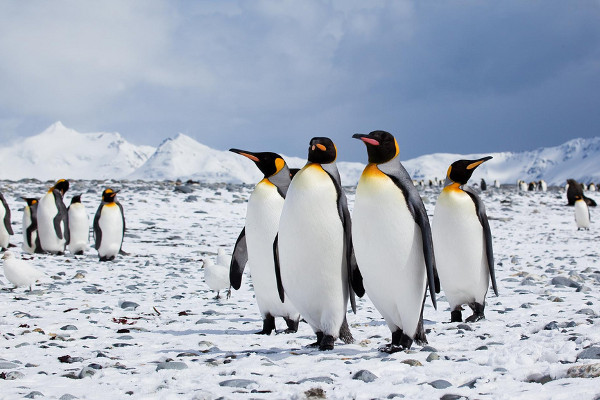 With the view of several hundred scientists, Antarctica is uninhabited. Yet it is teeming with life,
especially along the coasts of the continent. Antarctica is home to eight penguin species.
Countless seals
laze on ice floes. Whales come to stuff their voluminous bellies with krill.
Millions of birds let
themselves be swept away by the indomitable wind. The most invisible are the fish, which
amazingly do not
freeze in the icy Antarctic waters.
Seals unwittingly played a major role in the discovery of Antarctica. Robben hunters discovered
quite a bit
of land during their poaching trips. But the discovery of these new areas was almost accompanied by the
extinction of some seal species.
Today, seals are protected by the Convention for the Conservation of Antarctic Seals. Only a
limited
number of seals may be caught for scientific research
With the view of several hundred scientists, Antarctica is uninhabited. Yet it is teeming with life,
especially along the coasts of the continent. Antarctica is home to eight penguin species.
Countless seals
laze on ice floes. Whales come to stuff their voluminous bellies with krill.
Millions of birds let
themselves be swept away by the indomitable wind. The most invisible are the fish, which
amazingly do not
freeze in the icy Antarctic waters.
Seals unwittingly played a major role in the discovery of Antarctica. Robben hunters discovered
quite a bit
of land during their poaching trips. But the discovery of these new areas was almost accompanied by the
extinction of some seal species.
Today, seals are protected by the Convention for the Conservation of Antarctic Seals. Only a
limited
number of seals may be caught for scientific research
For a long time, Antarctica was hiding. It wasn't until the 19th century that
human
eyes first saw it. That
made Antarctica the last continent discovered.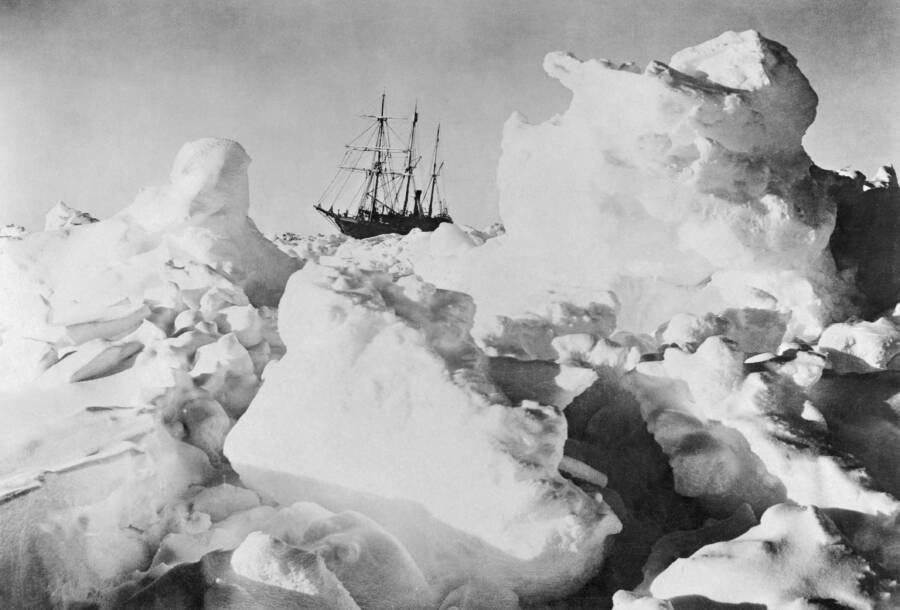 It was not until 1911 that the heart of Antarctica, the
geographical south pole, was reached. The discovery of Antarctica is one of heroic stories. The first
explorers sailed their sailboats among the life-threatening ice floes. In the early 20th century, bold
men
trekked through the white desert on foot or with a sled. Many lost their lives or were maimed because a
limb
froze off it. But all polar explorers gave the world exciting adventure stories.
The names of explorers and their sovereigns and benefactors are written on Antarctica’s shores. Renowned
explorers from Cook to Amundsen and Scott all tried to
penetrate this vast, mysterious land: each with
varying degrees of success. Visitors can follow in their footsteps and imagine what it was like to forge
through the pack ice on a creaking wooden boat or to haul sledges across the polar plateau. Some of the
historic huts actually remain, preserved frozen in rime ice, to tell the story of adventures long past.
It was not until 1911 that the heart of Antarctica, the
geographical south pole, was reached. The discovery of Antarctica is one of heroic stories. The first
explorers sailed their sailboats among the life-threatening ice floes. In the early 20th century, bold
men
trekked through the white desert on foot or with a sled. Many lost their lives or were maimed because a
limb
froze off it. But all polar explorers gave the world exciting adventure stories.
The names of explorers and their sovereigns and benefactors are written on Antarctica’s shores. Renowned
explorers from Cook to Amundsen and Scott all tried to
penetrate this vast, mysterious land: each with
varying degrees of success. Visitors can follow in their footsteps and imagine what it was like to forge
through the pack ice on a creaking wooden boat or to haul sledges across the polar plateau. Some of the
historic huts actually remain, preserved frozen in rime ice, to tell the story of adventures long past.
“Give me Scott for scientific method, Amundsen for speed and efficiency, but when disaster strikes and all hope is gone, get down on your knees and pray for Shackleton.”
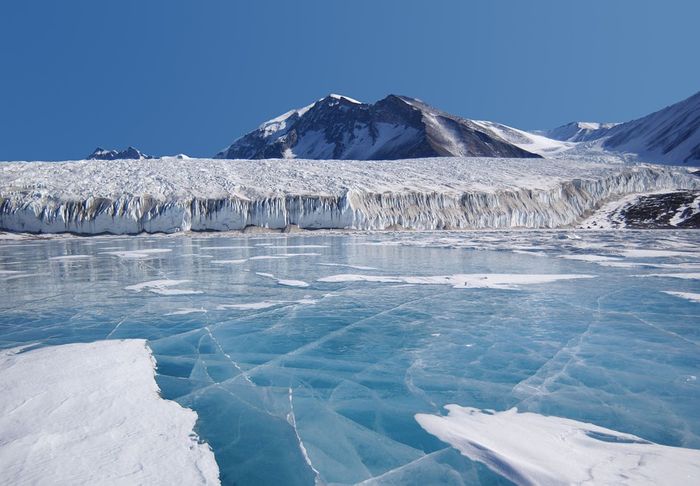
Antarctica possesses an unnameable quality. Call it inspiration, call it grandeur…it is simply the indescribable feeling of being a small speck in a vast, harshly beautiful land. A land where striated ice towers float among geometric pancake ice, literally untouched mountains rear from marine mist, and wildlife lives, year in and year out, to its own rhythms, quite apart from human concerns. To let our minds soar in a place nearly free of humankind’s imprint: this is magic
Antarctic The world's last
great wilderness

When you first lay eyes on these ever-anthropomorphized birds, you’ll know you’ve arrived in the Antarctic. From the tiny tuxedo-clad Adélie and the bushy-browed macaroni, to the world’s largest penguin, the fabulously debonair emperor, the Antarctic offers a chance to see these unique creatures on their own turf: sea, ice and shore. Spot them shooting out of the water, tobogganing along the ice, or in cacophonous rookeries that are a sight to behold: squawking, gamboling birds, hatching, molting, and caring for their young
The pragmatic whalers who worked in the waters of the Antarctic Peninsula at the beginning of the 20th century were hardly sentimental. Yet they named this harbor Paradise , obviously quite taken with the stunning icebergs and reflections of the surrounding mountains. Gentoos and shags call the area home, with the penguins nesting in the remains of Argentina's Brown Station. A climb up the hill here offers magnificent glacier views. If you’re lucky, perhaps you’ll even see one calving.
Deceptive in more ways than one, with its secret harbor, slopes of ash-covered snow, and hidden chinstrap penguin rookery at Baily Head, Deception Island offers the rare opportunity to sail inside a volcano. Now classified as having ‘a significant volcanic risk,’ Deception remains a favorite for the industrial archaeology of its abandoned whaling station, half-destroyed by an eruption-induced mudflow and flood. Some will stop for a quick dip in the island’s heated geothermal currents.
One of the major pay-offs of the long passage across the Southern Ocean is the chance to spot migrating whales circulating through krill-rich waters. Once nearer to land calling it whale-watching , if you’re in a Zodiac, doesn’t do it justice: you could be close enough to get a ‘whale bath.' The whale exhales with a startlingly loud ‘fffffffffffffff!’ right next to your boat, leaving you bathed in fish-scented mist. Near the ice edge, look for orcas hunting in pods.